
PPV Fans

Why Fan Size and Performance Matters

Ventilation is the process of airflow entering a system, flowing through the system, then exiting the system. Volumetric airflow, commonly known as “CFM” or “m3/h”) is important because this is what feeds the airflow. The more air in, the more air out, and in ventilation, you want to maximize the “air out” part! When we test for fan effectiveness, measuring the velocity of air exiting a system is something we always do, because, in the simplest terms, that’s the “work” being done. Airflow into the system is also important much of the time in that the higher the volume, the more clean, cool air is introduced into the structure.


Positive pressure ventilation tries to maximize the airflow discussed above while driving up pressure inside the structure. When a pressure differential is present, there will always be air movement flowing from high pressure to low pressure until the pressure in the structure equals the external atmospheric pressure. Higher pressure inherently results in increased airflow as it naturally tries to equalize itself. When looking at pressurizing the structure, good entrance and exit points must be selected. Things such as the size of openings, external wind speed and direction, and pressure loss points (structural leakage) are examples of things to take into consideration with respect to the capabilities of your fan.


Now let’s a look at why size matters when it comes to performance, and what that means to you. We’ll try our best not to beat around the bush here, because when it comes to high performance, size matters!


Size vs. Performance

The ultimate size matters debate… performance. Go big or go home!
This couldn’t be more correct when it comes to fan performance. The bigger the stream, the greater the flow.

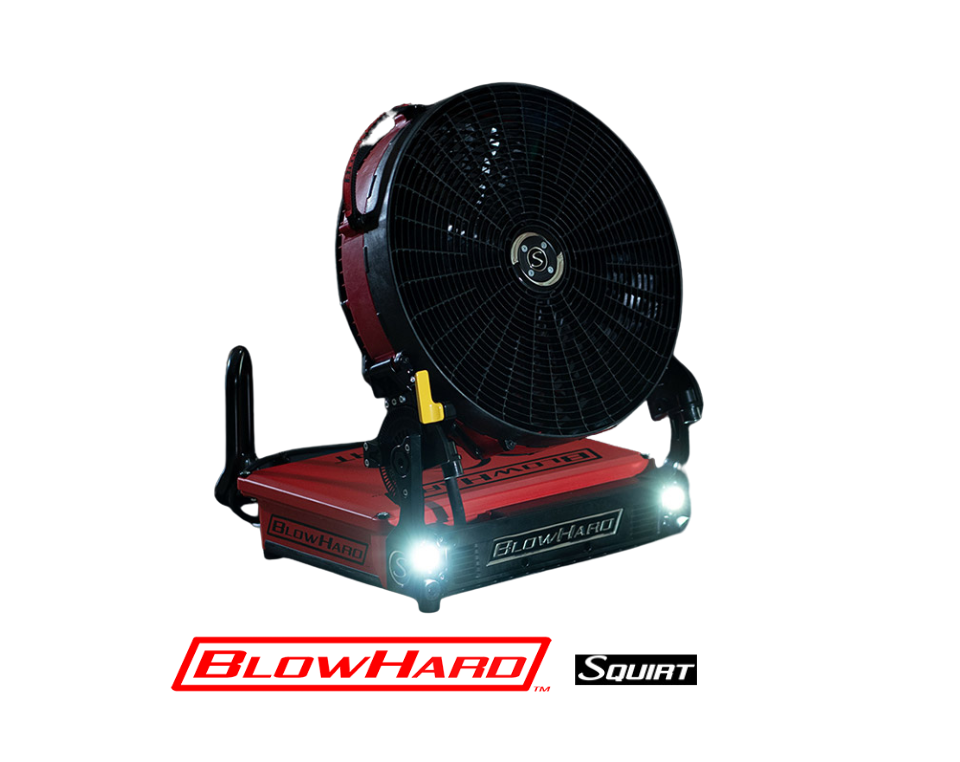
A larger fan blade produces a larger jet stream. A larger Jetstream creates higher entrainment, and higher entrainment equals higher pressure in the structure. Increased pressure equals increased airflow velocity at the exit point, so you’re ventilating more quickly
.
A firefighter’s job is hazardous, there is no need to saddle them with an underperforming tool. It is not uncommon for a firefighter to risk their life while in the line of duty. After doing the math, it turns out that the less time these brave men and women have to spend at the call, the better. Seconds matter and things happen quickly in the fire industry.


Underperformance can allow things to slip away and get out of control. Having tools that not only get the job done but provide the control to get the job done quickly and effectively lets our first responders get home earlier. Increased performance provides the control necessary to finish the job quickly and effectively, and for this reason, size matters. Exponentially.


BlowHard has raised this bar on performance standards with the new “High Flow Jet” series fans that utilize an expanded Jetstream. Our High Flow Jet technology has increased the area of the Jetstream produced with the same sized blade by nearly 150%, while significantly reducing the footprint of the fan. The result is an ultra-compact fan that significantly reduces truck storage requirements while maximizing portability and increasing performance. High Flow Jet provides superior control, gets the job done in less time, and gets our first responders home more quickly.


To summarize: Use BlowHard fans, Go home early. Size matters, because YOU matter. We believe that high-performance tools will impact the performance of your team.
November 14, 2025
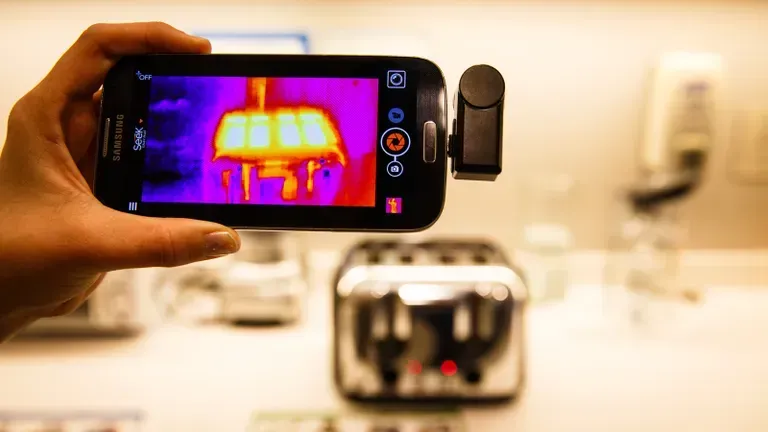
Not that long ago, firefighting relied almost entirely on instinct, training, and teamwork, and while those fundamentals haven’t changed, the tools certainly have. Over the years, thermal imaging cameras (TICs) have evolved from bulky, specialty equipment into something that’s now becoming standard on fire trucks across the country. Seek Thermal has been fortunate to see that evolution up close, and to play a role in making high-quality, affordable thermal cameras available to more firefighters than ever before. From Heavy Gear to Everyday Tools When thermal imaging first entered the fire service, the cameras were large, heavy, and expensive. Only a few departments could afford them, and often only officers or chief vehicles carried them. The concept was revolutionary, seeing heat through smoke and darkness, but the technology was limited by its size and cost. Fast forward a couple of decades, and the picture looks very different. Cameras are now smaller, lighter, and far more affordable. In many departments, firefighters are carrying TICs the size of a cell phone. That shift alone has transformed how firefighters work. Thermal imaging isn’t just a specialty tool anymore; it’s part of the standard gear lineup, as essential as an SCBA or a radio. Smarter, Faster, and More Affordable Technology Today’s thermal imaging cameras don’t just show heat. They deliver clearer, faster, and more stable images than ever before. Advancements in sensor design and software processing have made cameras more responsive, meaning firefighters see real-time detail without lag or image “whiteout” when moving between hot and cool areas. At the same time, manufacturing innovations have made these improvements more cost- effective. What once cost tens of thousands of dollars can now fit within a department’s annual equipment budget, allowing even smaller and volunteer departments to equip their crews. Seek Thermal has focused on developing cameras that deliver professional-grade clarity and durability while keeping the price within reach. Because when every firefighter has access to thermal vision, not just the officer holding the single camera, the entire crew benefits. The more people who can “see” what’s happening through smoke and heat, the safer and faster the response becomes. The Rise of Situational Awareness Cameras One of the biggest steps forward in recent years has been the rise of situational awareness cameras. Smaller, simpler TICs designed for quick assessments, exterior operations, and backup visibility. These aren’t just for interior fire attack; they’re for seeing the full picture of the incident scene. Situational awareness cameras have changed how firefighters size up a scene, locate hotspots, and monitor fire behavior in real time. They’ve also become a key safety tool, helping firefighters regain orientation when visibility drops to zero and reducing mayday incidents related to disorientation. Cameras like Seek’s FirePRO Series were built with this exact purpose in mind. To support firefighters inside and outside the structure by providing clear, reliable imaging in a compact, rugged design. Whether it’s being used during overhaul, exterior size-up, or search operations, a situational awareness camera gives crews the visibility they need to make smart, informed decisions. Supporting the Future of Firefighting Thermal imaging cameras have come a long way. From heavy, single-use tools to compact, affordable, and essential firefighting equipment. They’ve improved not only how fires are fought but also how firefighters stay safe doing it. Seek Thermal is proud to support that progress. Every camera designed, from situational awareness cameras like the FirePRO Series to tactical, interior-focused options like the AttackPRO Series, is built around one goal: helping firefighters see more, decide faster, and come home safely. Because technology should never replace experience, it should strengthen it. And that’s exactly what modern thermal imaging does on the fireground every single day. For more information on Seek Thermal’s line up of thermal imaging cameras for the fire service, visit their website here: https://www.thermal.com/firefighting.html
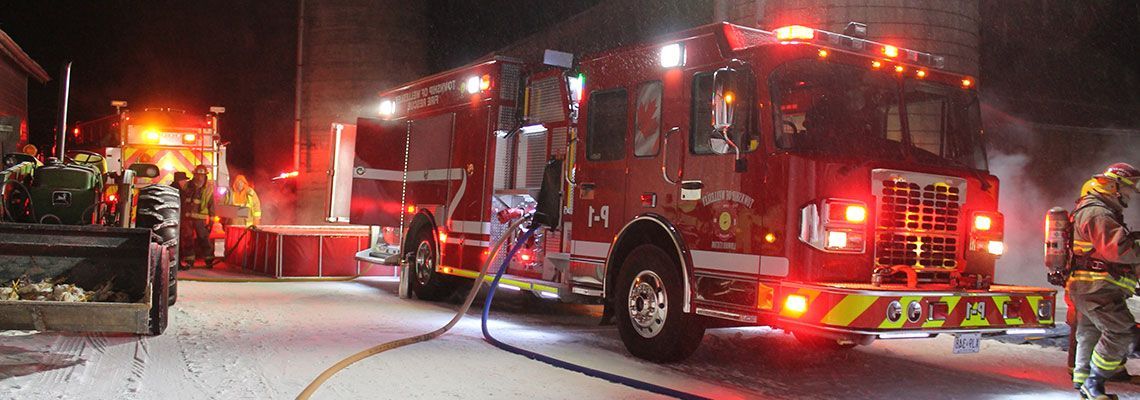
A fire truck parked at night, with its lights on.
June 24, 2022
How small changes In routine can prevent costly repairs
June 16, 2022
Dion C LeMieux is a retired Fire Chief and innovator living in Kentucky, USA. Seeing a need to safely stop the spread of free burning attic fires he invented his AFAST product line.