
Interview With Dion C LeMiux

Dion C LeMieux is a retired Fire Chief and innovator living in Kentucky, USA. Seeing a need to safely stop the spread of free burning attic fires he invented his AFAST product line.

Below are excerpts from correspondence he and I have had.


“The AFAST Nozzle Group stands for: Attic, Fire, Attack, Suppression, Technology. This name was designed by a dear friend in Michigan. It truly makes sense once the technology is applied to FIRE. The group was born in July of 2012. While watching fire videos on a popular internet show “Stater 911” and seeing the number of roofs that firefighters were burning off and eventually completely losing the home, I decided to come up with a tool that could be used to stop the free burning in those attic spaces and stop the destruction.


When I first had the idea to stop the fires in attics and to start of the design of the AFAST 1 Attic stick, I had to look at the delivery system, piping size, tip size and design, hole size and direction, length to accomplish the task and durability. With all those thoughts came achievement. I needed enough water distributed in an area of approximately 30 by 60 feet and no taller than 10 feet as a starting point.


Now, the standard attach hose is 1¾ in size usually coming from a source of 2 inches or more. That stops at the nozzle or ball valve which is normally 1 3/8 opening. With that I took a 1-inch ID aluminum (6061) and put a 1 ½ base female adapter. This pipe is 5 foot long to accommodate the average height of a firefighter to reach an 8-foot-high ceiling and be able to place the pipe high enough into the attic space to distribute the water. Our goal is to distribute 150 to 200 gallons per minute into that attic space in a manner that will cover the entire area in less than 30 seconds. To do that I had to come up with a tip to place on the 1-inch pipe that would do just that and to make the water droplets large enough to absorb the heat quickly for free burning to stop or be disrupted.


This tip is designed for maximum performance at a tip pressure of 125 to 150 PSI. This pressure gives you the 150 to 200 GPM and gives you a distance of 30 feet in circumference. Now just think for a minute…..you have a fully involved attic space with dark brown smoke coming from the eaves. If you introduce the AFAST 1 into the attic space from a scuddle hole or place the pipe in the middle of a hallway, reach as high as you can, turn the ball valve full on, twist the valve left and right and pivot the pipe left and right, what is happening in that attic space for the next 30 seconds? The dark brown smoke turns white from the outside very quickly. The heat goes from at least 1300 degrees F to 400 within seconds. Pull the pipe out of the hole and it should look black. If you see red, then you must place it in another room and do it again for no more than 30 seconds.


So, the AFAST 1 Attic Stick was manufactured after many hours of research and trial & error with a local fire department. Firefighters around the US have used this tool for many other fire situations other than attic’s and it has worked well every time. To sum this up. The AFAST nozzle system is designed for 1 or 2 firefighter operation with ease and safety. All the pipes have the water curtain design for protection. They are all designed for short duration operation and to stop the FREE Burning in the structure, they are also designed for rapid dismounting from the ball valve if need be. None of the pipes are designed for long duration in a heated atmosphere without water flowing but the brass tip will withstand much pounding without disfiguring the tip. Special note: THESE PIPES ARE NOT PIERCING NOZZLE PIPES. There is no place to pound these pipes.”


Useful links:
Car Fire Attack (interior) using the AFAST-1 nozzle system

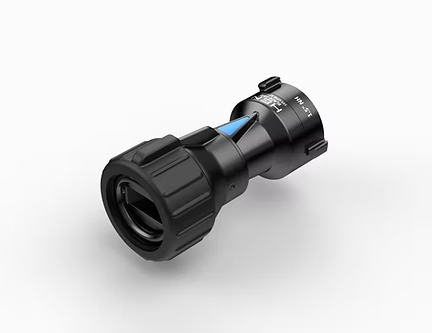
AFAST Nozzle
http://a-fast1.com/
November 14, 2025
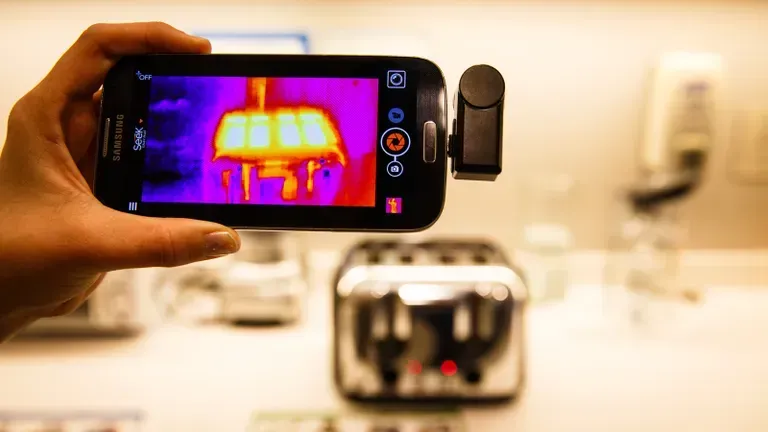
Not that long ago, firefighting relied almost entirely on instinct, training, and teamwork, and while those fundamentals haven’t changed, the tools certainly have. Over the years, thermal imaging cameras (TICs) have evolved from bulky, specialty equipment into something that’s now becoming standard on fire trucks across the country. Seek Thermal has been fortunate to see that evolution up close, and to play a role in making high-quality, affordable thermal cameras available to more firefighters than ever before. From Heavy Gear to Everyday Tools When thermal imaging first entered the fire service, the cameras were large, heavy, and expensive. Only a few departments could afford them, and often only officers or chief vehicles carried them. The concept was revolutionary, seeing heat through smoke and darkness, but the technology was limited by its size and cost. Fast forward a couple of decades, and the picture looks very different. Cameras are now smaller, lighter, and far more affordable. In many departments, firefighters are carrying TICs the size of a cell phone. That shift alone has transformed how firefighters work. Thermal imaging isn’t just a specialty tool anymore; it’s part of the standard gear lineup, as essential as an SCBA or a radio. Smarter, Faster, and More Affordable Technology Today’s thermal imaging cameras don’t just show heat. They deliver clearer, faster, and more stable images than ever before. Advancements in sensor design and software processing have made cameras more responsive, meaning firefighters see real-time detail without lag or image “whiteout” when moving between hot and cool areas. At the same time, manufacturing innovations have made these improvements more cost- effective. What once cost tens of thousands of dollars can now fit within a department’s annual equipment budget, allowing even smaller and volunteer departments to equip their crews. Seek Thermal has focused on developing cameras that deliver professional-grade clarity and durability while keeping the price within reach. Because when every firefighter has access to thermal vision, not just the officer holding the single camera, the entire crew benefits. The more people who can “see” what’s happening through smoke and heat, the safer and faster the response becomes. The Rise of Situational Awareness Cameras One of the biggest steps forward in recent years has been the rise of situational awareness cameras. Smaller, simpler TICs designed for quick assessments, exterior operations, and backup visibility. These aren’t just for interior fire attack; they’re for seeing the full picture of the incident scene. Situational awareness cameras have changed how firefighters size up a scene, locate hotspots, and monitor fire behavior in real time. They’ve also become a key safety tool, helping firefighters regain orientation when visibility drops to zero and reducing mayday incidents related to disorientation. Cameras like Seek’s FirePRO Series were built with this exact purpose in mind. To support firefighters inside and outside the structure by providing clear, reliable imaging in a compact, rugged design. Whether it’s being used during overhaul, exterior size-up, or search operations, a situational awareness camera gives crews the visibility they need to make smart, informed decisions. Supporting the Future of Firefighting Thermal imaging cameras have come a long way. From heavy, single-use tools to compact, affordable, and essential firefighting equipment. They’ve improved not only how fires are fought but also how firefighters stay safe doing it. Seek Thermal is proud to support that progress. Every camera designed, from situational awareness cameras like the FirePRO Series to tactical, interior-focused options like the AttackPRO Series, is built around one goal: helping firefighters see more, decide faster, and come home safely. Because technology should never replace experience, it should strengthen it. And that’s exactly what modern thermal imaging does on the fireground every single day. For more information on Seek Thermal’s line up of thermal imaging cameras for the fire service, visit their website here: https://www.thermal.com/firefighting.html
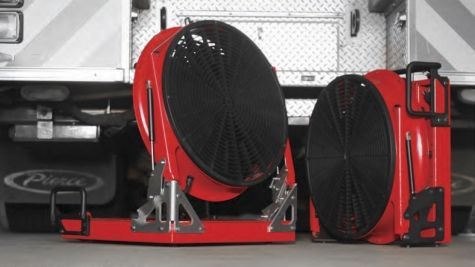
Two red fans are sitting underneath a fire truck
August 8, 2022
Why Fan Size and Performance Matters
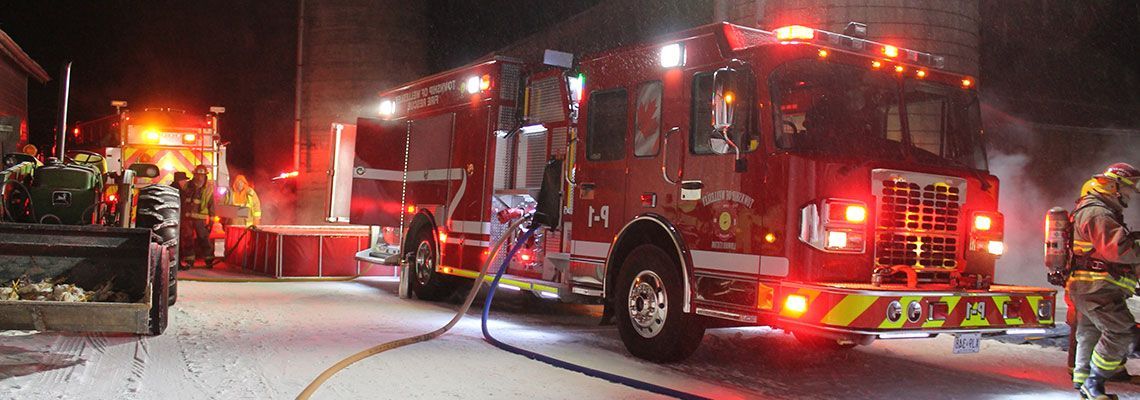
A fire truck parked at night, with its lights on.
June 24, 2022
How small changes In routine can prevent costly repairs